


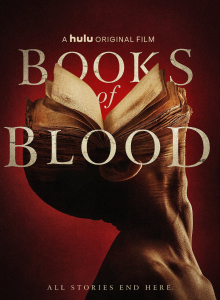
Three short stories that later intertwine into one. Each of the main characters has both a "dark" background and an unexpected resolution to the moral dilemma of their life story. None of the novellas ends the way we expect. The endings of the stories plunge us into melancholy and force us to reconsider our usual notions of life and death.
The first novella, "Jenna."
A girl suffers from guilt over her deceased boyfriend and an unwillingness to live. She refuses to take medication, runs away from home, and stumbles upon a cozy little house run by an elderly couple, where she finds solace for her soul. It seems they were made for each other—the heroine doesn’t want to live and moves toward death, while the elderly couple are the "kind souls" who help the suffering "free themselves" from their unbearable lives and become "one family." The couple "calms" the tormented souls by extracting all their sensory organs—eyes, ears, mouth—and then places the "freed" into wooden compartments, where they "peacefully" spend the rest of their lives. When Jenna learns of this, she flees in horror. But by the end of the film, she unexpectedly returns to her torturers and asks for their help. How else is she to reconcile with this horrific life she doesn’t want to "see or hear"? A vile medical procedure follows—Jenna is now "blind and deaf"—the elderly "kind souls" remove her eyes and ears, and the amputation sites are stitched up with rough thread. The ritual concludes with dressing her in a clean nightgown and nailing her into a tight wooden coffin beneath the floorboards of the house. Finally. It is at this moment that the heroine finds release, and we hear her deep sigh of relief.
Why such a choice? What does it mean? Is it about the relativity of good and evil? Or perhaps it’s a story about how clients don’t care about treatment protocols—they only want one thing: for the pain to stop, no matter the cost? Could it be a hint that those who lull us with gentle words and mint tea will always "win" over those who simply hand us pills without emotional involvement? Because it turns out we’ll choose the tea, even if it’s followed by an axe.
The second novella, "Miles."
The story’s characters are Professor Mary Florensky, her son Miles, and con artist Simon MacNeil. Miles is dying of cancer, his mother Mary seeks answers about where his soul now resides, and the con artist Simon exploits the situation, posing as a medium to gain money and status. But things don’t go as planned. You can’t joke about death or the dead. Fraud is something that "works" only with the living. Because the dead will make you keep your word, even if you lied. This is exactly how the novella ends—Simon is forced to become a mouthpiece and voice for the dead. And they carve their stories directly onto his body in bloody inscriptions. It’s terrifying and painful, but the character chose this mission himself. And this pathological connection—a mother, her deceased son, and the con artist now called the Living Blood Book—this bond can no longer be broken by any force. After all, these three have been striving toward this union for so long. Whether it’s an allusion to the Holy Trinity or mere coincidence, one thing is certain: each of them got what they wanted, and together they form a certain, albeit painful, wholeness.
The third novella, "Bennett."
This is the name of a thief-murderer hunting for the Blood Book. However, Bennett doesn’t know it’s not a book but a person—and one that cannot be bought, stolen, or commercialized in any way. It can only be read by oneself. And Bennett reads his own name on the body of Simon—the Living Blood Book—meaning his time has come to die. Yes, desires do come true—but not in the way we’d like them to.
And it seems this is the film’s central idea. Another thought is that no one knows what’s best for a person. Perhaps some methods of alleviating suffering may seem inhuman and trashy to us, but what do we know about others’ suffering?