



Anger is one of the basic emotions. Yet expressing anger is often forbidden or taboo. In such cases, the emphasis is placed on resilience, composure, and the ability to "save face" and remain "good." So what happens to the anger then? It turns inward, leaving the function of protecting the individual's boundaries unfulfilled.
Moreover, permission to express anger is also permission to express oneself.
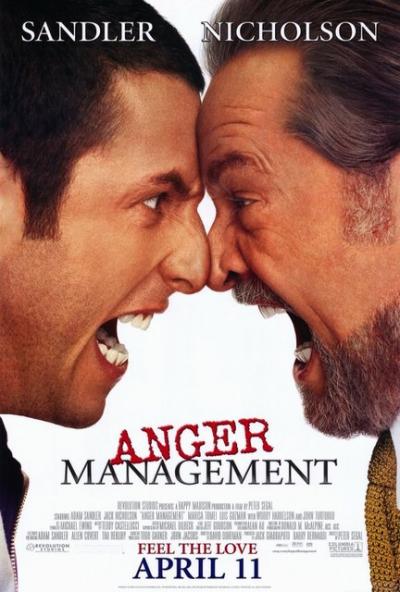
The film begins with the protagonist’s childhood trauma. Dave, a shy boy, overcomes his embarrassment to confess his feelings to a girl he likes. She, however, is just bait, and at that moment, a ringleader with other kids mocks him and humiliates him. Dave is left defenseless, ashamed, and ridiculed.
As an adult, Dave still can’t stand up for himself. His boss takes advantage of him, overloading him with work and underestimating his efforts. And Dave remains the "nice guy."
This continues until Dr. Rydell enters his life—a court-appointed therapist who teaches Dave to express his anger in a radical but effective way. Court-appointed?—you might ask, but I won’t reveal the details :)
The film effectively shows that if a person lacks internal permission and the skill to constructively express their anger, they struggle to defend their boundaries, assert their needs, or truly express themselves.
Spoiler alert for my favorite moment: Dr. Rydell forces Dave to stop on a bridge during rush hour and sing. At that moment, Dave becomes a nuisance to other drivers, yet he must express himself—by singing.
In summary, by reconnecting with their emotions, a person regains their strength.
The film may be useful for:
-> reserved, polite people who lack permission to express anger but face related issues (in relationships, physically, etc.);
-> individuals seeking to assert their boundaries;
-> those looking to express themselves and live their own lives;
-> professionals working on emotional literacy.