



Tetiana Afanasieva
Psychologist
1 000 UAH
A systemic approach exploring hidden family dynamics and intergenerational patterns.
“Every person, whether they want it or not, is part of various systems—family, parental family, lineage, or organizations. Within these systems, we exist in specific relationships governed by their own laws. When these laws are violated, we or our loved ones experience discomfort. Breaches of systemic laws lead to conflicts, depression, and relationship crises—draining energy and hindering personal growth. Systemic family constellations are a method of family systemic psychotherapy that visually reveals relationship disruptions. The approach involves the client recreating their relationship system with the help of participants in a therapeutic group, allowing them to observe it from an external perspective and temporarily step outside their own emotional experience. Through a series of intermediate steps, a solution to the problematic situation can be identified, and its suitability for the client can be felt. The resulting mental image of the solution remains with the client long-term, serving as a resource for change. The value of systemic family constellations lies in their ability to accomplish significant therapeutic work in a single session—work that might otherwise require many sessions using other methods.
“Systemic family therapy is a modern psychotherapeutic approach based on systems theory, focusing on correcting the connections between all family members. There are subtle and invisible links that shape how a family functions. From this perspective, illness is seen as one state of the family system, shaped by specific relational patterns within the family. The family’s functioning is influenced not only by dynamics within the nuclear family (spouses or spouses with children) but also by family history, myths, intergenerational patterns, parental dynamics, and external factors like career fulfillment, social conditions, and more—elements families often overlook.
Clinical case: A 7-year-old child presented with enuresis since age 2. After prolonged treatment—medication, hypnotherapy, dietary adjustments, and individual psychological interventions—remission was not achieved, so the family sought systemic therapy. From a systemic viewpoint, enuresis was interpreted as a symptom expressing a hidden conflict between the parents—emotional distancing (where spouses avoid conflict, suppress grievances, and either stop communicating or do so through the child). The high tension and anxiety in such a family triggered the child’s symptom. Therapy with the couple helped restore healthy family dynamics, eliminating the need for the symptom—the child recovered, with a clinical effect lasting two years.ТТатьяна Владимировна Беляева
“Family Constellations. What is it about?
The term "family constellations" became widely known thanks to Bert Hellinger, a German psychotherapist, philosopher, theologian, priest, missionary, and psychoanalyst. He developed "family constellations" and later introduced "spiritual constellations." However, there are other independent sources of this method as well.
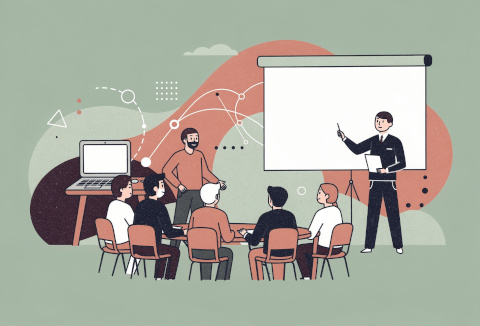
At its core, a constellation involves arranging elements—such as a problem, a challenging situation, relationships, health concerns, business matters, or desires. This approach falls under supportive practices bridging psychotherapy and spiritual traditions, though it is not strictly one or the other. Each practitioner combines their background (e.g., psychoanalysis) with additional methods like therapeutic techniques, esoteric practices, Tarot, shamanism, and more. Training schools for constellations also vary in their approaches. The scope of application continues to expand: individual or organizational, structural, trauma-focused, for couples, real estate, pets, and more.
What is a constellation?
In this method, a person and their situation are examined within the context of the system they belong to. A system may include family, lineage, an organization, business, projects, and other contexts. Through a constellation, one gains direct insight into the root of what is happening, uncovering deeper meanings behind a person’s situation, problem, or suffering. The facilitator guides with respect and support, helping to untangle complex connections, restore balance, and foster healing.
Who participates in a constellation?
At minimum, a facilitator and the client are involved. Depending on the type—individual or group—additional participants (representatives) may be included to help reveal the dynamics of the situation and resonate with the client’s process.
What is it really about?
Each of us is part of a generational lineage: parents, grandparents, great-grandparents, and so on. These connections shape our lives, physical health, habits, behavioral patterns, and emotional well-being. Our genetic code is a testament to this. Ultimately, our genes influence our bodies (and beyond), while our soul carries the legacy of our ancestors, guiding the direction of our lives. The stronger our belief in personal freedom from these influences, the further we may be from truly understanding ourselves and our lives.
I am not suggesting that everyone rush to constellations to "fix" their system. There’s no need to repair a car that’s running smoothly, even if it’s missing a few bolts. If your life feels fulfilling as it is—great! Change requires both the strength and the desire to evolve.
Psychologist
1 000 UAH

Psychologist (Master)
1 500 UAH

Psychologist
600 UAH

Psychologist
600 UAH

Psychologist (Master)
600 UAH
Organizer — Ведучі, члени УАСР - Афанасьєва Тетяна, Лара Козлова